Duolingo vs Babbel: Best Language Learning App for You
Duolingo is ideal for casual learners who want a free, gamified experience with 40+ languages. Babbel suits serious learners willing to pay for structured, conversation-focused courses. Both apps are backed by language experts but cater to different goals and budgets.
Duolingo: Language Lessons
Recommended- Rating
- ★ 4.73
- Downloads
- 500,000,000+
- Developer
- Duolingo
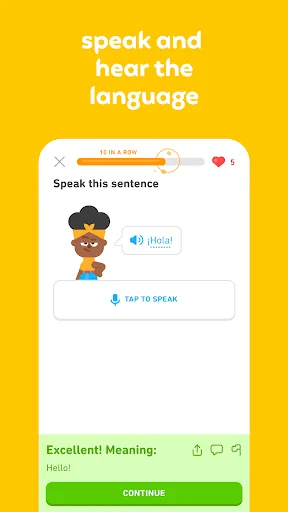
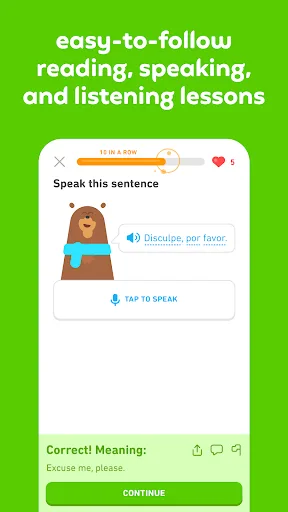
Learn a new language, chess & more with the world’s most downloaded education app! Duolingo is the fun, free app for learning 40+ languages through quick, bite-sized lessons. Practice speaking, reading, listening & writing to build your vocabulary & grammar skills. Designed by…
Pros
- Completely free with optional subscription
- Gamified lessons with streaks and rewards
- 40+ languages including niche ones
- Bite-sized lessons fit any schedule
- Large community and frequent updates
Cons
- Less focus on real conversation practice
- Can feel repetitive after a while
- Grammar explanations are minimal
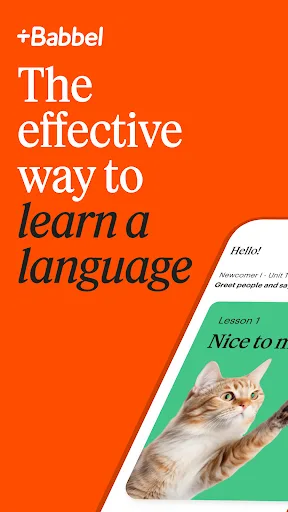
Millions of people learn languages with Babbel — the app built by language learning experts. Our short, interactive lessons rethink old-school language education to get you speaking a new language with confidence. LEARN SPANISH OR 13 OTHER LANGUAGES IN 15 MIN/DAY We're not just…
Pros
- Structured courses designed by linguists
- Emphasis on practical dialogue and pronunciation
- Offline mode available for subscribers
- Culture tips integrated into lessons
- Progress syncs across devices
Cons
- Only 14 languages available
- Requires paid subscription after free trial
- Less engaging for casual learners
Final Verdict
Our pick: Duolingo: Language Lessons
Duolingo wins for sheer variety, free access, and gamification that keeps you hooked. However, Babbel offers more in-depth, practical conversation skills and a structured curriculum. If you're serious about fluency and can invest, Babbel is better. For casual learning or multiple languages, Duolingo excels. Overall, Duolingo is recommended for most users due to its accessibility and breadth.
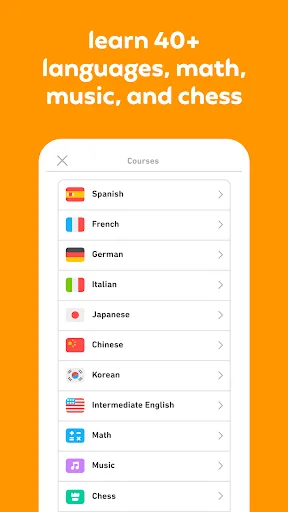
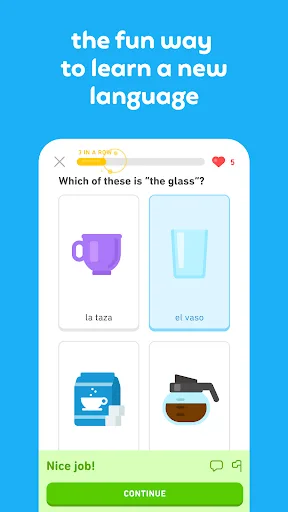
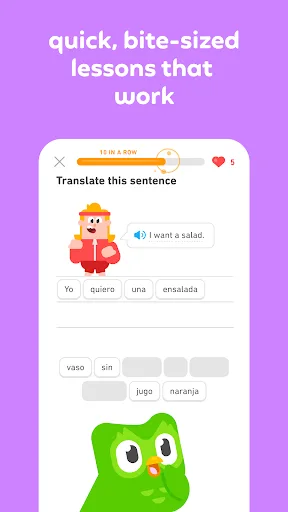
Duolingo: Language Lessons Screenshots
Official app screenshots from the Google Play Store.
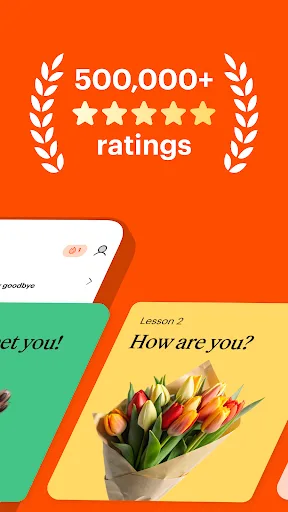
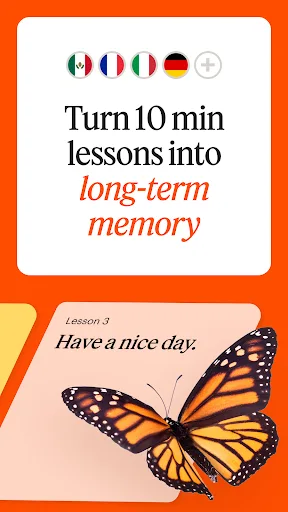
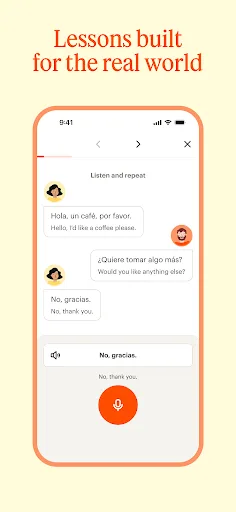
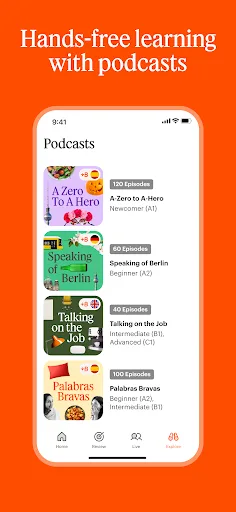
Babbel - Learn Languages Screenshots
Official app screenshots from the Google Play Store.
Frequently Asked Questions
Which app has higher ratings?
Duolingo has a slightly higher rating (4.73 vs 4.60) on the Play Store, but both are highly rated.
Can I use these apps offline?
Babbel offers offline lessons with a subscription. Duolingo does not support full offline access, but some features may work with limited connectivity.
Do these apps have ads?
Duolingo has ads in the free version; you can remove them with Super Duolingo. Babbel is ad-free for all users.
What are the device requirements?
Both apps require Android 5.0 or later and work on most modern smartphones. They are optimized for tablets as well.
Which app should I choose as a beginner?
Duolingo is great for absolute beginners due to its low-pressure, fun approach. Babbel is better if you want structured learning from day one and are ready to invest.
Related Comparisons
 VS
VS

Speak vs BeeSpeaker: Which Language Learning App Improves Speaking Skills Best
VS
Duolingo vs FunEasyLearn: Best Language Learning App for You
 VS
VS
HelloTalk vs ELSA Speak: Language Learning Apps Compared
 VS
VS
Busuu vs Learn English Vocabulary: Best Language Learning App for You
VS
BeeSpeaker vs Mondly: Which English Learning App Reigns Supreme?
VS