WhatsApp vs Signal: Which Messaging App Wins for Privacy and Features?
WhatsApp is the world's most popular messaging app with over 2 billion users, offering seamless cross-platform communication, group chats, and video calls. Signal is the gold standard for privacy, with open-source encryption and minimal data collection. WhatsApp suits users who need broad connectivity and rich features, while Signal appeals to those prioritizing security above all else.

WhatsApp Messenger
Recommended- Rating
- ★ 4.64
- Downloads
- 10,000,000,000+
- Developer
- WhatsApp LLC

Signal Private Messenger
- Rating
- ★ 4.52
- Downloads
- 100,000,000+
- Developer
- Signal Foundation
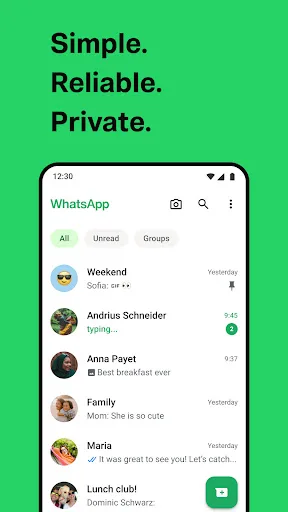
WhatsApp from Meta is a FREE messaging and video calling app. It’s used by over 2B people in more than 180 countries. It’s simple, reliable, and private, so you can easily keep in touch with your friends and family. WhatsApp works across mobile and desktop even on slow connec…
Pros
- Massive user base of over 2 billion, making it easy to connect with anyone
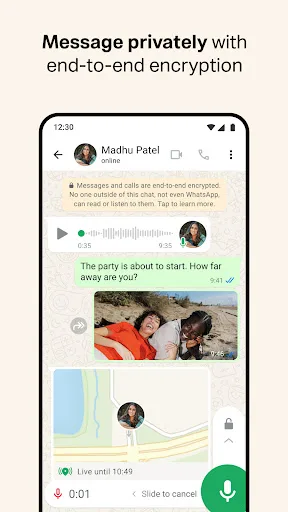
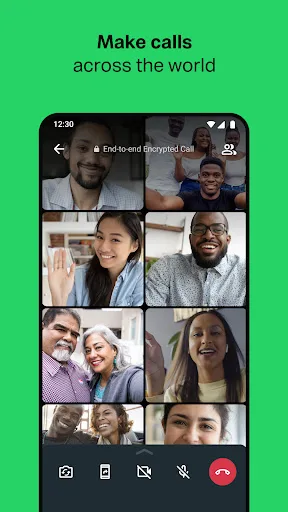
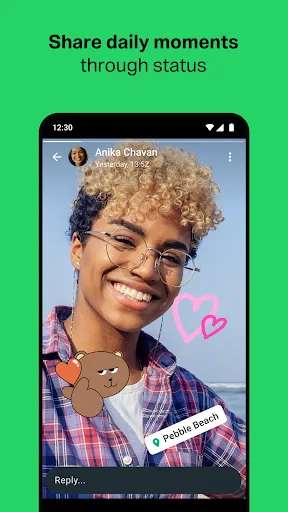
- Rich features: voice/video calls, group chats, status updates, and broadcast lists
- Cross-platform support: mobile, desktop, and web with seamless sync
- Business-friendly with WhatsApp Business API and catalog features
- Reliable even on slow connections with optimized data usage
Cons
- Owned by Meta, raising privacy concerns due to data sharing with Facebook
- Requires phone number and grants access to contacts for full functionality
- No option to disable read receipts entirely (only per-chat in privacy settings)
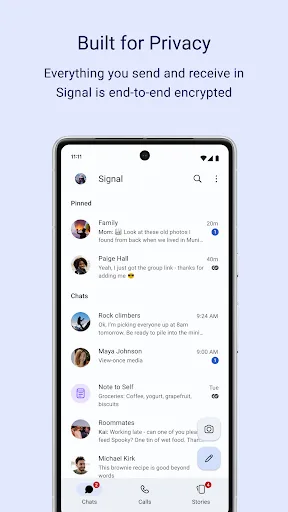
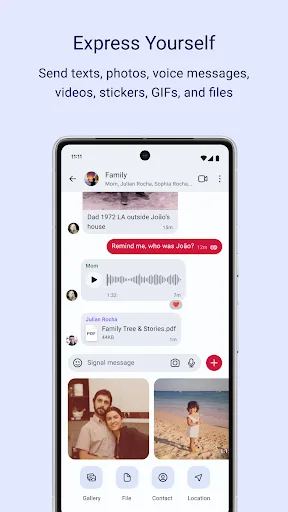
Signal is a messaging app with privacy at its core. It is free and easy to use, with strong end-to-end encryption that keeps your communication completely private. • Send texts, voice messages, photos, videos, GIFs, and files for free. Signal uses your phone’s data connection…
Pros
- Industry-leading privacy with end-to-end encryption by default for all messages and calls
- Open-source code audited by security experts, ensuring transparency
- Collects minimal metadata: only your phone number and no profile data
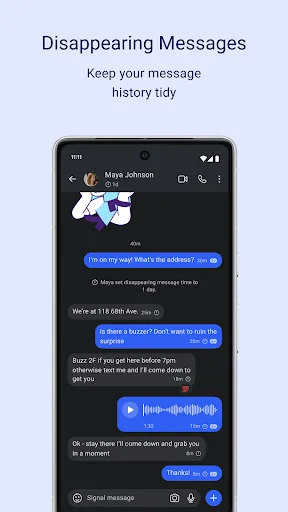
- Disappearing messages and screen security features for sensitive chats
- No ads or trackers; funded by grants and donations
Cons
- Smaller user base (100M+ installs), making it less likely your contacts use it
- Fewer features: no status updates, no built-in payments, no business tools
- Requires phone number and SMS verification, which may be a privacy concern for some
Final Verdict
Our pick: WhatsApp Messenger
For most users, WhatsApp wins due to its massive user base, rich features like status updates and business tools, and reliable performance across devices. However, if privacy is your top concern and your contacts are willing to switch, Signal is the superior choice with its audited end-to-end encryption and zero data collection. Both are free, but WhatsApp's Meta ownership raises data-sharing concerns. We recommend WhatsApp for everyday communication and Signal for sensitive conversations.
WhatsApp Messenger Screenshots
Official app screenshots from the Google Play Store.

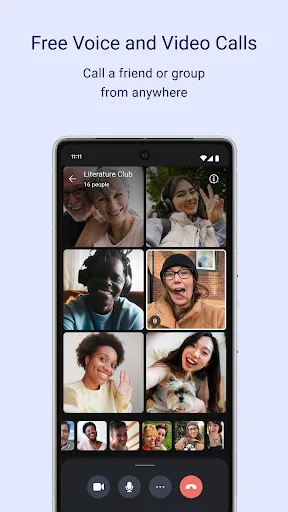
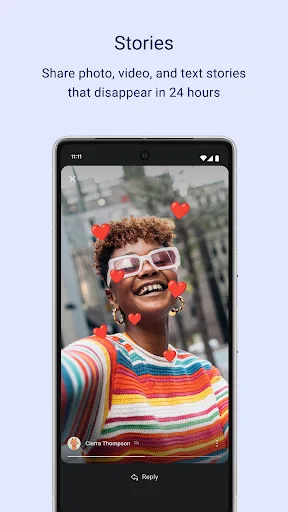
Signal Private Messenger Screenshots
Official app screenshots from the Google Play Store.
Frequently Asked Questions
Which app has a higher rating?
WhatsApp has a slightly higher rating of 4.65 compared to Signal's 4.53, both on a 5-point scale.
Can I use these apps offline?
Both require an internet connection to send messages. Offline messages are queued and delivered when connected.
Do these apps show ads?
WhatsApp shows no ads in the main app, but Meta may use data for ad targeting on other platforms. Signal has no ads at all.
What are the device requirements?
Both support Android 4.0.3+ and iOS 12+. WhatsApp requires a phone number; Signal also needs SMS verification.
Which app should I choose?
Choose WhatsApp if you need broad connectivity and rich features. Choose Signal if you prioritize privacy and your contacts are willing to switch.
Related Comparisons
VS

WhatsApp vs TextNow: Which Messaging App is Best for You
VS

Signal vs Google Messages: Privacy-Focused vs RCS-Powered Messaging Showdown
 VS
VS
textPlus vs Signal: Free Texting & Calling vs Privacy-First Messenger
 VS
VS
Telegram vs textPlus: Ultimate Messaging App Comparison
 VS
VS

Google Chat vs Zangi Private Messenger: The Ultimate Messaging Showdown
VS